


Blog

Practical tea articles

26+ high-intent guides: energy, focus, anxiety, sleep, tea transition strategy, and expanded premium protocols.
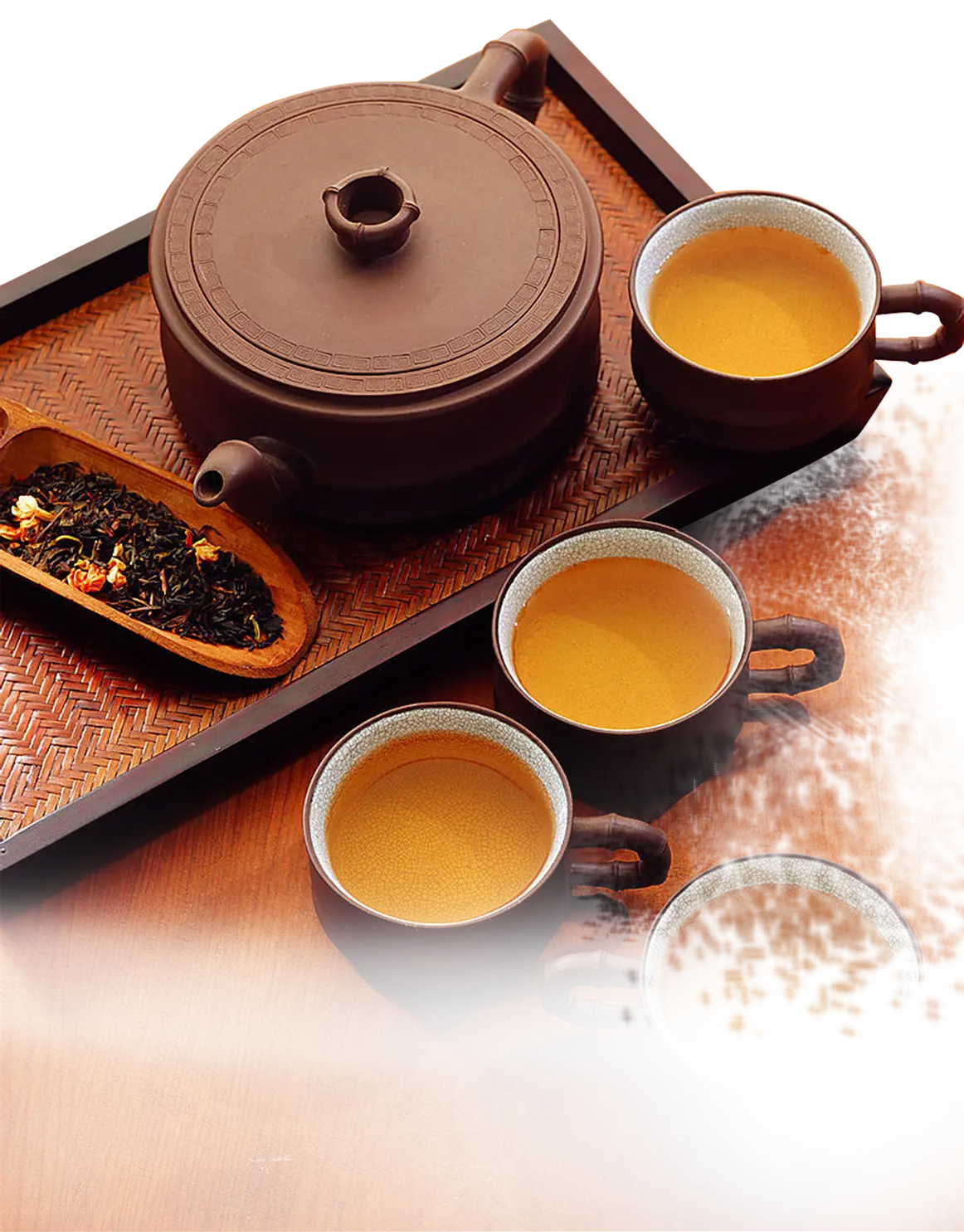
What to drink instead of coffee for energy
Tonus + clarity without a sharp drop.

What to drink instead of coffee for energy

Morning, first work block, low-energy recovery days. Shu pu-erh / black tea: 92–96°C, 20–40s, 5–8 infusions.

Steady energy without hard crashes: tea options that can replace coffee.
Read article →
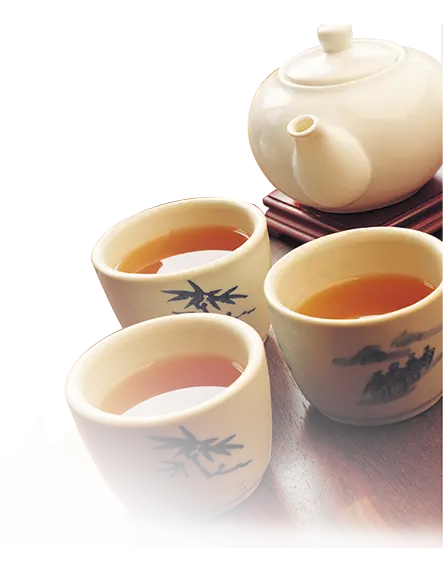
Which tea helps concentration and deep work
Focus + stable pace without mental noise.

Which tea helps concentration and deep work

Before precision tasks and deep-focus sessions. Sheng pu-erh / green tea / matcha: 78–90°C, short infusions.

Tea picks for sustained focus when you need 2–3 productive hours.

Read article →
Tea instead of cigarettes: how to replace the habit
Lower impulse + calm pause.

Tea instead of cigarettes: how to replace the habit

Smoke breaks, stress pauses, hand-to-mouth triggers. Light oolong / white tea: 82–90°C, 4–6 infusions.

A practical replacement scenario for nicotine-trigger routines.

Read article →
Which tea calms down and reduces anxiety
Calm + grounding.

Which tea calms down and reduces anxiety

Evening overload, overthinking, nervous tension. White tea / light oolong: 80–88°C, slow pace.

Gentle tea scenarios to reduce internal noise and regain control.

Read article →
Best tea for sleep and evening relaxation
Lower arousal + smooth transition to rest.

Best tea for sleep and evening relaxation

1–2 hours before sleep. Herbal blends / white tea: 78–85°C, gentle ritual.

What to drink in the evening to shift from work mode into rest.

Read article →
Shu pu-erh: effects, benefits, and body impact
Steady energy, warmth, composed headspace.

Shu pu-erh: effects, benefits, and body impact

Morning/daytime, cold weather, high workload periods. 94–98°C, rinse leaves first, 15–30s infusions.

Who shu pu-erh is for, when to drink it, and what to expect.

Read article →
Tieguanyin: when to drink and what effect it gives
Lightness, clarity, soft concentration.

Tieguanyin: when to drink and what effect it gives

Daytime, between work blocks, for pace reset. 85–92°C, 10–25s, multiple infusions.

A classic balance oolong and where it performs best.

Read article →
How to switch from coffee to tea without losing energy
Stable day with fewer spikes and crashes.

How to switch from coffee to tea without losing energy

When moving away from coffee overload patterns. Morning: shu/black, day: oolong, evening: white/herbal.

A step-by-step transition plan that keeps your daily output stable.

Read article →
Chinese tea for beginners: where to start
Clear understanding of taste and state effects.

Chinese tea for beginners: where to start

First entry into Chinese tea. Start with 2–3 types: oolong, black tea, shu pu-erh.

A practical starter map: which tea types to try first.

Read article →
How to choose tea by your state (focus, calm, energy)
Targeted choice instead of random drink selection.

How to choose tea by your state (focus, calm, energy)

When you need a fast, accurate tea decision right now. Focus: sheng/green; calm: white/oolong; energy: shu/black.

A direct framework for selecting tea by current goal and state.

Read article →
Premium: 14-day anti-alcohol tea protocol
Premium
Lower craving intensity, better impulse control, steadier sleep.
Full subscription required

Premium: 14-day anti-alcohol tea protocol

Evening triggers, social habit windows, stabilization phase. Shu pu-erh / darker oolongs: 92–96°C, short infusion series.

A practical step-by-step evening replacement plan to reduce alcohol-triggered routines.

Unlock with full subscription →
Premium: Focus stack for a 90-minute deep work block
Premium
Clean attention, controlled pace, fewer chaotic switches.
Full subscription required

Premium: Focus stack for a 90-minute deep work block

Complex cognitive work, study sessions, analytical tasks. Sheng/green + light oolong: 80–90°C, controlled rhythm.

A timing and infusion stack for sustained focus without mental overheating.

Unlock with full subscription →
Premium: Evening calm brewing ritual for sleep and recovery
Premium
Nervous-system downshift and smoother transition to sleep.
Full subscription required

Premium: Evening calm brewing ritual for sleep and recovery

90–120 minutes before sleep after high-stress days. White/low-caffeine oolong: 78–86°C, longer pauses between infusions.

A deeper evening protocol with temperature pacing to reduce nervous system load.

Unlock with full subscription →
Premium: 15-minute anti-craving emergency protocol
Premium
Lower craving peak through action, warmth, and rhythm.
Full subscription required

Premium: 15-minute anti-craving emergency protocol

Acute trigger, stress call, conflict, late-evening impulsive window. Shu / dark oolong: 94–96°C, 3 quick infusions, then 1 soft infusion.

A fast-response scenario for moments when alcohol/nicotine craving spikes and you need control now.

Unlock with full subscription →
Premium: 4-hour tea cycle for deep intellectual work
Premium
Long stable focus without aggressive stimulation peaks.
Full subscription required

Premium: 4-hour tea cycle for deep intellectual work

Long analysis, study blocks, project sessions where chaos is unacceptable. Combined cycle: sheng/green + oolong, phased at 80–92°C.

A half-day protocol for focus, stabilization, fatigue control, and smooth exit without crash.

Unlock with full subscription →
Premium: Night reset for wakeups and anxious evenings
Premium
Smoother sleep return, shorter wake windows, lower night noise.
Full subscription required

Premium: Night reset for wakeups and anxious evenings

Night wakeups, evening anxiety, nervous-system overload. White/herbal low-caffeine: 78–84°C, very light concentration.

A detailed evening+night protocol if you wake up at night or struggle to let the day go.

Unlock with full subscription →
Green tea and weight loss: what science actually says
Modest increase in fat oxidation + metabolic rate. Not a substitute for diet.

Green tea and weight loss: what science actually says

30 minutes before exercise, between meals, morning and midday. High-quality sencha or Chinese green: 78–82°C, 90–120 seconds, 2–3g per 200 ml.

EGCG and caffeine do accelerate fat oxidation — but the effect size and conditions matter. An honest breakdown.

Read article →
Matcha: what it is, how to brew correctly, and what it actually does
Clean alert energy + sharp focus without jitters. L-theanine softens caffeine into a usable state.

Matcha: what it is, how to brew correctly, and what it actually does

Morning focus start, pre-workout, creative sessions, 1–2 hours before precision work. Ceremonial grade: 70–75°C, 1–1.5g per 60–70 ml water, 30 seconds of vigorous whisking.

From powder grades to whisk technique — a complete practical guide with exact temperatures and dosing.

Read article →
Sheng pu-erh: a complete guide for beginners
Clear, focused energy. Young sheng: bright and astringent. Aged sheng: smooth, complex, centering.

Sheng pu-erh: a complete guide for beginners

Morning (moderate caffeine), afternoon work sessions, after meals to support digestion. Young sheng: 85–90°C, 10–15s first steeps, rinse first. Aged: 90–95°C, 15–20s.

Storage, aging, flavor profiles, brewing — everything you need to understand raw pu-erh from the first cake.

Read article →
White tea: health effects, flavour profiles, and how to choose
Calm clarity, antioxidant support, gentle stress reduction. Low stimulation.

White tea: health effects, flavour profiles, and how to choose

Afternoons, all-day gentle hydration, anxiety reduction, before sleep (caffeine is lower than green tea). Silver Needle: 75–80°C, 3–4 minutes. White Peony: 80–85°C, 2.5–3 min. Use 3–4g per 200ml.

The least processed tea in the world — high antioxidants, delicate flavor, and wide health evidence. A practical selection guide.

Read article →
Oolong vs green tea: how they differ and when to choose each
Green: sharper activation, higher catechins. Oolong: longer-lasting balance, broader flavor complexity.

Oolong vs green tea: how they differ and when to choose each

Green tea: morning focus, exercise, empty-stomach metabolism. Oolong: midday balance, after meals, sustained work. Green: 75–82°C, 60–90s. Oolong: 85–95°C depending on oxidation level, 15–30s gongfu style.

Same plant, different processing, completely different effects and flavors. A clear comparison with recommendations.

Read article →
Tea during a cold or flu: which types help and how
Anti-inflammatory, antiviral, mucolytic, and hydration support depending on the type chosen.

Tea during a cold or flu: which types help and how

First signs of illness, fever management, throat irritation, respiratory congestion, recovery phase. Ginger tea: 95°C, 5–7 min steep. Green tea: 78°C, 90s. Elderflower/herbal: 90–95°C, 5 min.

Some teas are genuinely useful during illness — not as cures, but as evidence-backed support tools.

Read article →
Gaiwan brewing: a complete step-by-step guide
Better flavor clarity, more steeps from the same leaves, faster feedback on leaf quality.

Gaiwan brewing: a complete step-by-step guide

Any time you want precise control over extraction, multiple steeps, and full leaf expression. Lid-bowl-saucer system. 5–8g for 100ml (gongfu ratio). Water temperature depends on tea type.

The gaiwan is the most versatile tea vessel in existence. Here's how to use it properly — from posture to pour.

Read article →
Coffee vs tea: caffeine content, body effects, and when to choose each
Coffee: fast, high peak, abrupt crash. Tea: slower onset, lower peak, extended plateau, softer landing.

Coffee vs tea: caffeine content, body effects, and when to choose each

Decision point: building a daily drink strategy that matches your cognitive and physical demands. Espresso: ~65mg/30ml. Filter coffee: ~80–120mg/240ml. Black tea: ~50mg. Green tea: ~25–35mg.

An evidence-based comparison of how each substance actually behaves in your body — without the usual mythology.

Read article →
Premium: pu-erh aging, storage, and the collector's approach
Premium
Progressively mellowing, deepening complexity over 5–20+ years. Aging rewards patience and knowledge.
Full subscription required

Premium: pu-erh aging, storage, and the collector's approach

Long-term tea investment, building a personal storage, systematic tasting practice. Aged sheng: 90–95°C, 15–20s initial steeps. Increase by 10s per steep after steep 4.

How pu-erh changes over time, what to buy for aging, how to store it correctly, and how to read value signals.

Unlock with full subscription →
Premium: 30-day morning tea ritual — build a sustainable daily practice
Premium
Sustainable energy baseline, better sleep quality within 2 weeks, reduced cortisol spikes, repeatable focus ritual.
Full subscription required

Premium: 30-day morning tea ritual — build a sustainable daily practice

Every morning. 15–20 minutes. The same time window daily for the first 21 days. Weeks 1–2: shu pu-erh at 95°C. Weeks 3–4: introduce a second tea (oolong or sheng) at appropriate temperature.

A structured 30-day program to replace coffee-first mornings with a tea ritual that produces measurable cognitive and physiological results.

Unlock with full subscription →